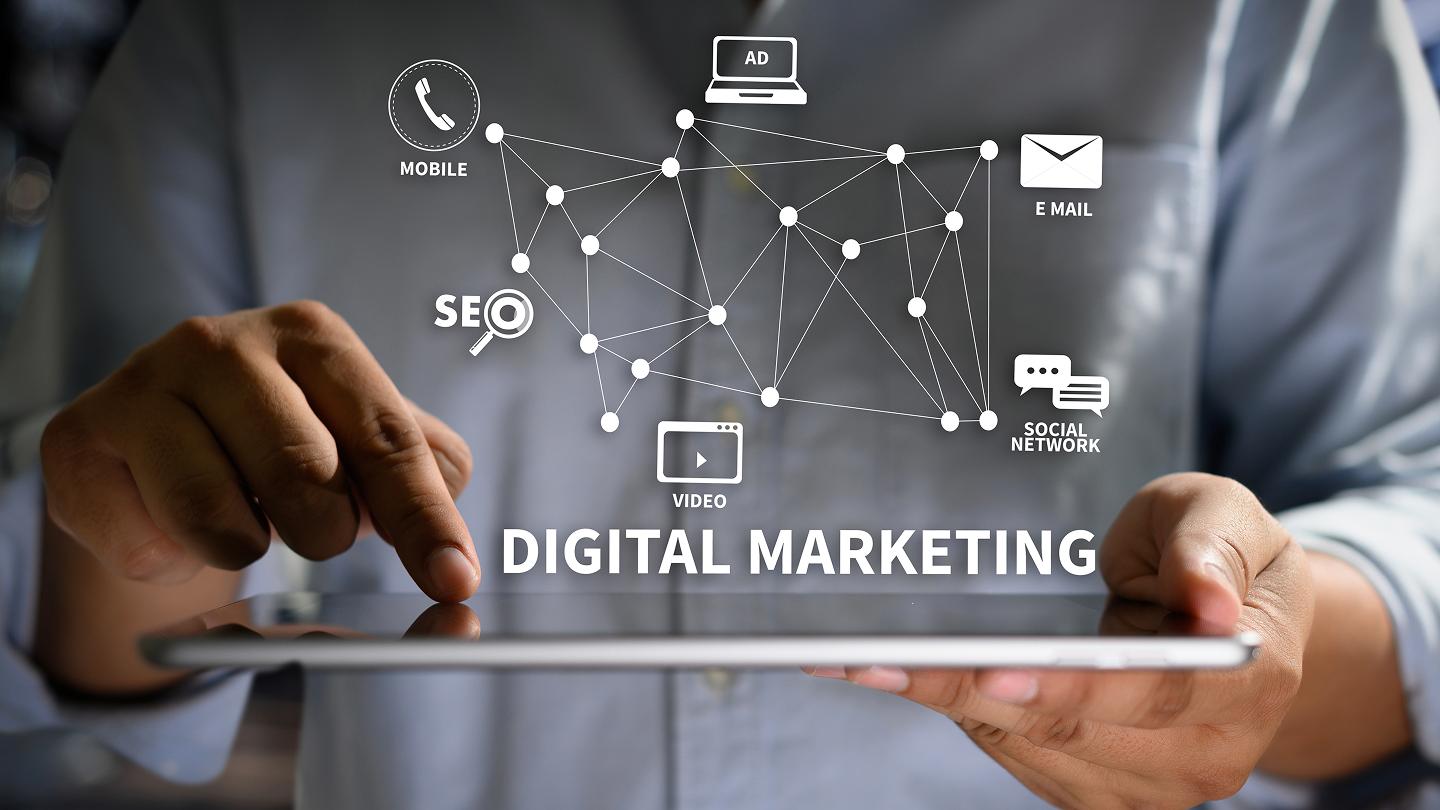

Why Businesses Struggle to Choose the Right Digital Marketing Services
Most business leaders don’t wake up wanting to “do digital marketing.” They wake up wanting leads, revenue, visibility, and predictable growth.
Digital marketing services are usually adopted under pressure, slowing sales, increased competition, declining organic reach, or a boardroom question that starts with “Why aren’t we growing faster?” In that moment, businesses search for answers and are immediately flooded with advice that feels fragmented, contradictory, and overwhelming.
SEO promises long-term results. Paid ads promise speed. Social media promises reach. Content promises authority. Automation promises efficiency. Each service sounds convincing in isolation, but when implemented without a clear decision framework, the outcome is scattered execution and unclear ROI.
In a recent article,Digital Marketing Services Explained as an Integrated Growth Framework , we explored why digital marketing works best when services operate as a system rather than standalone tactics.
This guide builds on that foundation and focuses on the real question business leaders ask next:
Which digital marketing services should we choose, in what order, and how do we scale them without wasting budget?
This article exists to answer that question, calmly, clearly, and without hype.
Digital Marketing Services vs Digital Marketing Tactics
One of the most damaging misconceptions in digital marketing is the belief that activity equals progress.
Businesses often confuse tactics with services. Publishing a few blog posts, boosting social media posts, or running short ad campaigns may feel productive, but these are actions, not systems.
Digital marketing services are structured capabilities designed to support long-term business outcomes. They include planning, execution, measurement, and iteration. Tactics are simply the visible outputs of these systems.
For example, SEO is not “adding keywords to a website.” It is a service that includes technical optimisation, content architecture, authority building, and ongoing performance analysis
Content marketing is not “writing blogs.” It is a service that creates assets aligned to buyer intent and business objectives.
When businesses invest in tactics without committing to services, they end up busy, but not effective.
How Digital Marketing Services Work as a Growth System
Digital marketing does not function like a funnel with neat, linear steps. It behaves more like an ecosystem, where each service influences and strengthens the others over time.
At a high level, most successful digital growth strategies operate across four interconnected layers.
Awareness: Creating Demand Before It’s Obvious
At the top of the system are services that shape perception and visibility. Content marketing and social media marketing live here. Their role is not immediate conversion but familiarity, helping potential customers recognise problems, trust expertise, and associate brands with solutions.
This layer is often underestimated because its impact is indirect. Yet research published by Backlinko consistently shows that brands with strong content visibility tend to earn higher organic click-through rates and better long-term SEO performance.
Demand Capture: Intercepting Intent
Once awareness exists, demand capture services take over. SEO services and paid media ensure that when prospects actively search for solutions, the business appears at the right moment.
This is where many businesses overinvest prematurely. Without awareness and clarity, paid campaigns become expensive, and SEO struggles to convert traffic into leads. Demand capture works best when it follows, not replaces, brand and content foundations.
Conversion: Turning Interest into Outcomes
Traffic alone does not drive growth. Conversion optimisation, landing page strategy, and lead generation systems ensure that visits translate into measurable business actions.
Ahrefs’ research on paid traffic performance highlights a recurring issue: companies scale ad spend without improving conversion rates, leading to rising costs and diminishing returns. Conversion is not a one-time fix, it is an ongoing service.
Retention and Growth: Compounding ROI
Email marketing and marketing automation sit at the final layer, often overlooked until acquisition costs rise. These services focus on nurturing relationships, increasing lifetime value, and turning one-time buyers into repeat customers.
According to HubSpot’s lifecycle marketing studies, businesses using automation-driven email strategies generate significantly higher revenue per customer than those relying on manual outreach.
Core Digital Marketing Services Explained (A Business Lens)
SEO Services: Building Sustainable Demand
SEO is one of the most misunderstood digital marketing services. It is neither instant nor passive. When done well, SEO becomes a compounding growth asset that reduces dependency on paid acquisition.
Businesses should invest in SEO when they have:
Clear offerings and messaging
The patience to invest consistently
A desire for sustainable, non-linear growth
SEO struggles when treated as a quick lead-generation hack rather than a long-term demand engine.
Content Marketing: From Output to Assets
Content marketing fails when success is measured by volume rather than impact. Publishing frequently does not guarantee visibility, authority, or conversion.
Effective content marketing services focus on:
Buyer intent alignment
Search demand validation
Distribution and repurposing
Long-term relevance
This is why high-performing businesses treat content as an asset portfolio, not a publishing calendar.
Paid Media & Performance Marketing: Speed with Accountability
Paid media is powerful precisely because it delivers immediate data. But speed without discipline leads to wasted spend.
Performance marketing services exist to ensure that:
Messaging is tested and refined
Targeting evolves based on behaviour
ROI is measured beyond surface metrics
SEMrush’s digital advertising benchmarks show that businesses integrating paid media with SEO and content consistently outperform those running ads in isolation.
Social Media Marketing: Visibility and Distribution
Social media rarely works as a direct sales engine on its own. Its real value lies in distribution,amplifying content, reinforcing brand recall, and supporting community engagement.
When aligned with content and paid strategies, social media becomes a powerful awareness and remarketing tool.
Email Marketing & Automation: The Growth Multiplier
Email remains one of the highest ROI digital marketing services because it operates at the intersection of trust and timing. Automation allows businesses to deliver relevance at scale, without increasing effort.
Despite its effectiveness, email is often implemented last, when it should be foundational.
How Businesses Should Prioritise Digital Marketing Services
Prioritisation should be based on business stage, not trends.
Early-stage businesses benefit from clarity, SEO foundations, content positioning, and limited paid testing.
Growth-stage companies require balance, combining acquisition with conversion and retention.
Scale-stage organisations need integration, aligning services under unified analytics and lifecycle strategies.
The most effective strategies evolve, rather than restart, as businesses grow.
Budgets, Timelines, and ROI: Setting Realistic Expectations
Every digital marketing service operates on a different time horizon. SEO compounds slowly. Paid media delivers instantly but fluctuates. Content builds authority over months. Automation compounds quietly over years.
Businesses that align expectations with timelines make better decisions, and stay invested long enough to see results.
Common Mistakes Businesses Make When Investing in Digital Marketing
The most common mistake is buying services in silos. Others include expecting short-term ROI from long-term channels, chasing vanity metrics, and investing in tools without investing in strategy.
These mistakes are not tactical; they are structural.
When Digital Marketing Services Start Working Together
There is a clear moment when digital marketing begins to feel different. Costs stabilise. Leads improve in quality. Decisions become data-led. Growth becomes predictable.
That inflection point is not caused by doing more, it is caused by alignment.
Digital Marketing Is a System, Not a Checklist
Digital marketing services are not ingredients to be mixed randomly. They are components of a growth system that must be chosen, sequenced, and scaled with intent.
Businesses that understand this stop chasing trends, and start building engines.
Frequently Asked Questions (FAQs)
There is no universal list of digital marketing services that fits every business. The right mix depends on factors such as business stage, industry competitiveness, target audience behaviour, and growth objectives. Early-stage businesses often need visibility and demand creation, while mature businesses focus more on conversion, retention, and efficiency.
Digital marketing services are most effective when they operate as a system. SEO supports long-term visibility, paid media accelerates demand, content builds trust, and email or automation improves lifetime value. When these services are aligned under a single strategy, each one amplifies the impact of the others rather than competing for budget.
ROI timelines vary by service. Paid media can generate short-term results, while SEO and content marketing typically require several months to compound. Businesses that align expectations with the nature of each service, and measure progress consistently, are more likely to sustain long-term returns.
SEO and paid advertising serve different purposes. SEO builds long-term, compounding demand, while paid advertising delivers speed and testing opportunities. Most businesses see the best results when both are used together, with SEO reducing dependency on ads over time and paid media supporting faster market entry.
Yes. Many businesses begin with a single service based on their immediate needs. However, long-term growth usually requires expanding into complementary services. The key is to scale intentionally, ensuring each new service aligns with overall strategy rather than reacting to short-term performance pressures.
Success should be measured using business-aligned metrics rather than vanity indicators. While traffic and impressions are useful signals, meaningful measurement focuses on lead quality, conversion rates, customer acquisition cost, and lifetime value. Clear attribution helps businesses understand which services contribute most to growth.
Common mistakes include investing in services in isolation, expecting immediate ROI from long-term channels, and prioritising tools over strategy. Businesses also struggle when they change direction too quickly, preventing any single service from reaching its full potential.